


Identifying a Desired Value
hen Heath McCullough was working toward his Ph.D., he didn’t expect to uncover his dissertation topic shopping for shoes.
A former marine, he received a veteran’s discount.
“The discount made me feel valued as a customer,” McCullough recalls. Not just because it reduced the price, but because it connected him to the brand. Now an associate marketing professor at Harbert, McCullough took that sentiment and put it under scholarly examination. His pioneering research on the concept of identity discounts challenges prior thought.
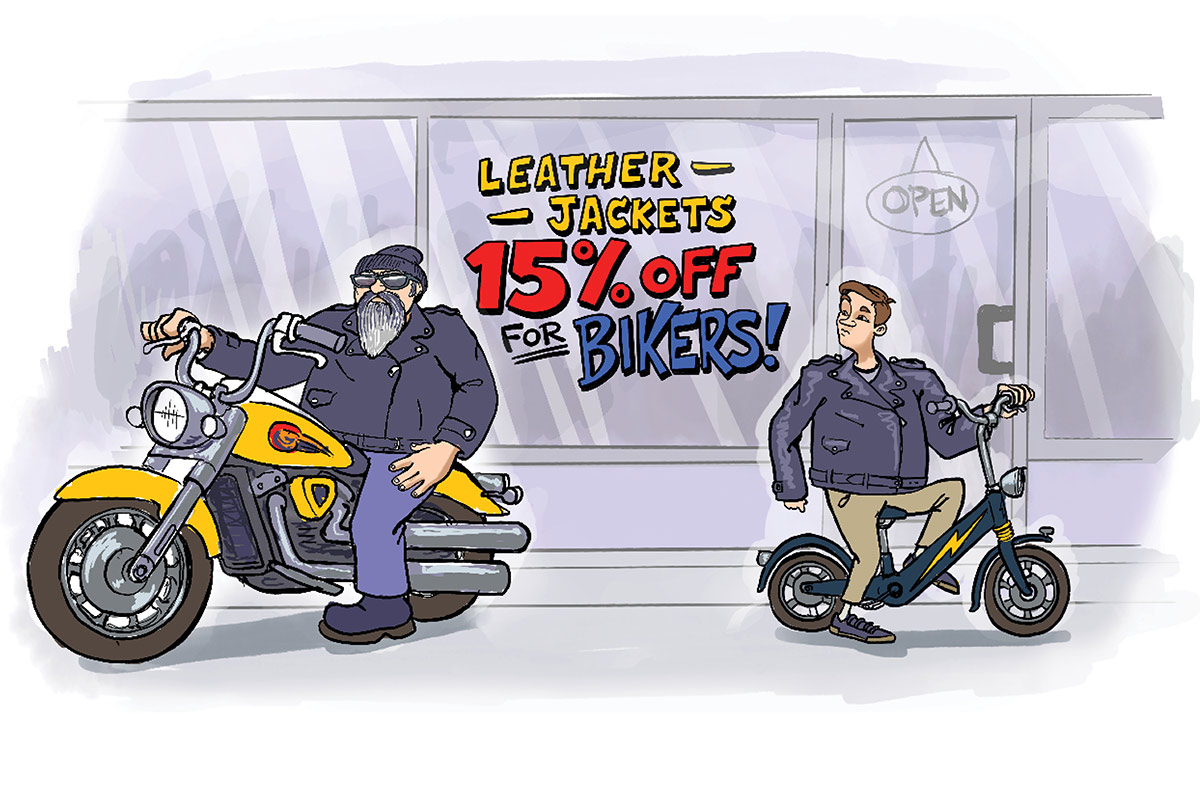
But simply tacking on an identity to your product discount is not a fool-proof net positive. You need what McCullough calls “identity congruence”—the identity must align with the customer’s desired rather than demographic identity. Not everyone who is advanced in years wants to be under the gloomy umbrella of senior citizenship, nor does the non-traditional 40-year-old college student wish to be lumped in with frenzied 18-year-old freshman promotions. For identity discounts to work, McCullough recommends marketers understand a customer’s self-image—how they see themselves, how they want to be seen and identified. The discount then rewards the customer for the qualities and achievements they value most.
“Identity marketing is the most powerful,” McCullough explains, “because at every point in our life, consciously and subconsciously, you’re trying to express who you are to yourself and others. Identity is not just an outward expression. It’s also trying to reinforce who you are to your own self.”